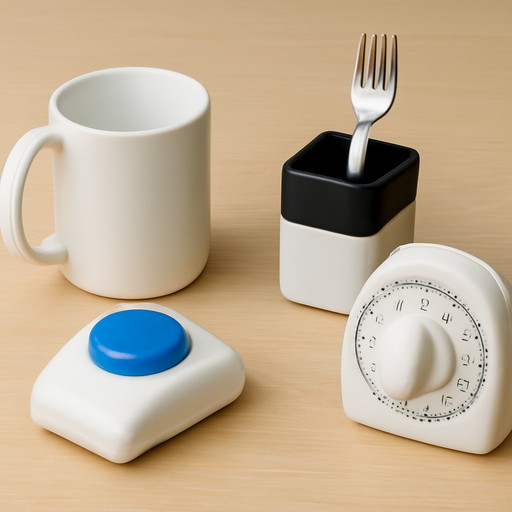
Empowering Everyday Life: Tremor Aids for Daily Living and Beyond

Empowering Everyday Life: Tremor Aids for Daily Living and Beyond
Living with tremor can shape daily routines in subtle and profound ways. From gripping a spoon to steadying a phone, tremor aids for daily living are designed to restore autonomy, comfort, and confidence. These tools span a spectrum—from ergonomic utensils and weighted cups to adaptive clothing and assistive devices that transform tasks into manageable actions. While the focus often lands on tremor aids for daily living, the broader conversation embraces strategies, therapies, and technologies that support independence across home, work, and leisure.
One essential step is understanding how tremor manifests differently for each person. Some individuals experience an action tremor that worsens with movement, while others face a resting tremor that steadies with intent. This variability means that the best tremor aids for daily living are highly personalized. Occupational therapists frequently assess grip strength, coordination, and daily routines to tailor solutions—ranging from weighted utensils that dampen shake to specialized phone mounts that stabilize communication. By combining assistive devices with practical modifications, people can reclaim time and reduce frustration in everyday activities.
When selecting tremor aids for daily living, consider the following categories:
- Eating and drinking aids: Weighted utensils, angled forks, and non-slip placemats help with self-feeding and reduce fatigue.
- Personal care aids: Long-handled brushes, reachers, and grip-enhancing tools assist with grooming, brushing teeth, and buttoning shirts.
- Home management aids: Jar openers, automatic soap dispensers, and stable, easy-grip appliance handles support kitchen and bathroom tasks.
- Communication aids: Voice-activated devices and sturdy smartphone mounts enable clearer calls and messaging even during tremor episodes.
- Work and recreation aids: Ergonomic keyboards, stylus grips, and assistive game controllers can sustain productivity and leisure activities.
To illustrate practical options, consider a curated set of tremor aids for daily living that blends comfort, accessibility, and dignity. For instance, a Best Chair for Parkinson’s Patients can complement tremor aids for daily living by providing a stable, supportive seat that reduces the effort required to stand or sit. You can explore more about chairs and related aids at Best Chair for Parkinson’s Patients. Another resource worth noting is Vela, a brand that emphasizes thoughtful design in assistive products and adaptive living.
Beyond physical devices, lifestyle adjustments can dramatically improve the effectiveness of tremor aids for daily living. Consider these practical strategies:
- Establish predictable routines that minimize decision-making when tremor is pronounced, reserving complex tasks for calmer moments.
- Use larger, easily grasped handles on doors and drawers to reduce precision requirements.
- Adopt lighting and contrast adjustments to improve visibility and reduce the need for fine motor precision.
- Incorporate rest breaks and gentle exercises that support proprioception, balance, and muscle control.
- Seek a multidisciplinary approach that includes physical therapy, occupational therapy, and counseling to address both physical and emotional well-being.
Related Technologies and Innovations
Recent advances in assistive technology are expanding the range of options within tremor aids for daily living. Lightweight, intuitive devices powered by sensors can adapt to subtle changes in tremor amplitude, providing real-time stabilization. Wearable tech, such as smart gloves or sensor-embedded fabrics, offers both grip enhancement and feedback to help users modulate their movements. In the kitchen, smart utensils with built-in dampening mechanisms reduce the perceived tremor, while magnetic or suction-based closures simplify clothing fastenings.
Moreover, environmental design plays a crucial role. Accessible kitchens with pull-out shelves, lowered countertops, and tactile labeling empower independent cooking and cleaning. In bathroom design, grab bars, non-slip mats, and lever-style faucets minimize the need for precise hand control. These adaptations align with the broader aim of tremor aids for daily living: creating spaces that invite participation rather than hinder it.
Choosing the Right Tremor Aids for Daily Living
Selecting the right tremor aids for daily living involves balancing effectiveness, comfort, and user preferences. Here are some guiding questions that can help in the decision-making process:
- What daily tasks are most affected by tremor, and which ones are most important to maintain independence?
- Which grip types and handle designs minimize strain and maximize control?
- Are there any sensitivities to materials (e.g., latex, textures) that should influence product choices?
- Can the product be integrated with existing routines without adding complexity?
- Is professional assessment available to tailor devices to specific tremor patterns?
In many cases, combining multiple tremor aids for daily living yields the best outcomes. For example, pairing weighted utensils with a non-slip placemat can transform mealtime into a smoother, more independent activity. Similarly, coupling a stable chair with a set of grip-enhancing tools can support daily grooming and preparation routines, reinforcing a sense of autonomy.
Stories of Everyday Resilience
People living with tremor frequently share stories that highlight resilience and ingenuity. A retiree who regained confidence in the kitchen after switching to wider-handled mugs and an anti-slip mat describes how these small changes changed the pace of mornings. A graduate student who uses a stylus grip and ergonomic keyboard notes that subtle adaptations enabled continued study and collaboration with peers. These narratives emphasize that tremor aids for daily living are not simply gadgets; they are enablers of dignity, purpose, and connection.
As the landscape of tremor aids for daily living evolves, communities that share experiences and practical tips become valuable resources. Local support groups, online forums, and occupational therapy programs can offer personalized recommendations, demonstrations, and trials of devices before purchase. Engaging with professionals who specialize in movement disorders ensures that selections remain appropriate as symptoms change over time.
A Holistic View: Beyond Devices
While devices and adaptations are essential, a holistic approach to tremor aids for daily living recognizes the interconnected nature of health. Adequate sleep, nutrition, hydration, stress management, and physical activity all influence tremor intensity and overall quality of life. Mindful techniques such as paced breathing, mindfulness practice, and structured routines can reduce tremor-related anxiety, supporting steadier hands during daily tasks. Family members and caregivers also play a critical role, learning about tremor triggers and sharing strategies that foster independence rather than dependency.
In summary, tremor aids for daily living encompass a broad spectrum of tools, strategies, and environments designed to preserve autonomy and comfort. From the first chair to the last utensil, thoughtful design and individualized planning empower people to navigate daily life with confidence. For those seeking inspiration and practical options, exploring products, resources, and community stories can illuminate a path toward greater independence and well-being.